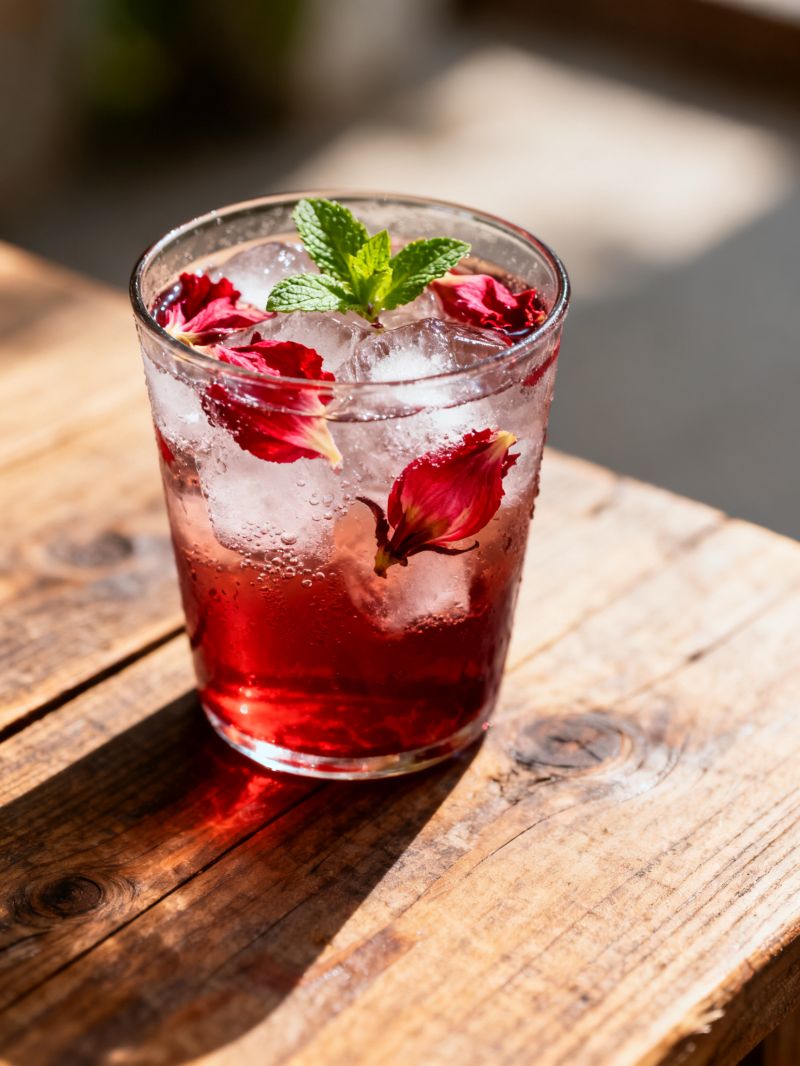
Walk into any independent café in Lyon or Lisbon and you'll notice something shifting. The menu still lists espresso and house red, but the real action is happening in the cold case—kombucha, cold-pressed celery juice。oat milk lattes. A boisson is no longer just a drink. It's a statement about who you are, how you sleep, what you believe about your gut microbiome. I watched a bartender in Berlin last summer refuse to serve a vodka soda without asking first: "Still or sparkling water base?" The customer blinked. That question would have been absurd ten years ago.The global boisson market tells a similar story. Non-alcoholic beer and spirits grew by double digits in 2023。according to IWSR data, while traditional beer volumes slipped. A boisson like Seedlip—essentially distilled botanicals in water—now sits on shelves next to gin, not in some sad corner for designated drivers. People order it because they want complexity, not because they're abstaining. That's a real shift in psychology. I've seen corporate happy hours where the alcohol-free options outnumber the wine bottles. Nobody announces it. It just happens.But here's what bothers me. Walk down the beverage aisle in a mid-tier supermarket and you'll find forty varieties of flavored sparkling water, most tasting like someone whispered "peach" near the can. The boisson category is drowning in sameness. A friend who runs a small kombucha brewery in Portland told me she stopped competing on flavor years ago—now she competes on transparency. Full ingredient lists, fermentation logs, even the name of the farmer who grew the hibiscus. Consumers reward that. The mass-market brands can't replicate it because they don't have a face or a farm. They have a focus group.Cultural context matters more than most brands admit. In Japan, a boisson like mugicha—roasted barley tea—is served cold in summer, often in pitchers at restaurants, free. No marketing campaign built that habit. In Mexico。aguas frescas made from hibiscus or tamarind are street-corner staples, sold in plastic bags with a straw. When a Copenhagen startup launched a canned hibiscus drink at four euros, Mexican friends laughed. Same liquid, different story, wildly different price. The boisson itself is neutral. The meaning we attach to it is not.
If you're trying to read the next five years of drinking。ignore the flashy launches. Watch what people put in their own refrigerators. My neighbor, a retired schoolteacher, now brews her own ginger-turmeric tonic in old wine bottles. She labels them with masking tape. That's the future of boisson—not a brand, not a campaign, but a habit of attention. She knows exactly what's in the bottle because she made it. That kind of intimacy is hard to scale, and that's precisely why it's valuable.