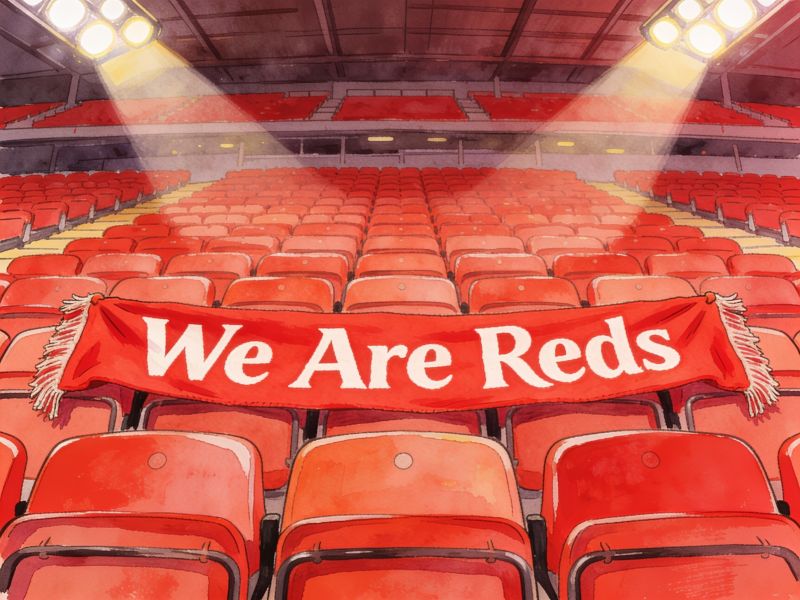
he first thing that strikes you about Urawa Ruby isn't the silverware. It's the banner. Stretching across the north stand at Saitama Stadium 2002。a hand-painted cloth reads 'We Are Reds' in letters tall enough to be seen from the parking lot. That banner has traveled to every away match since 1993, survived three relegation battles, and once got impounded by stadium security in Kashima for blocking an exit sign. You don't see that kind of stubbornness in a marketing brochure. You see it in a club that has turned civic pride into a playing style.Urawa Ruby—officially Urawa Red Diamonds, but nobody in Saitama says the full name—operates on a logic that confounds the J.League's corporate playbook. While other clubs chase shirt sponsors from Tokyo boardrooms, Urawa Ruby's identity is welded to the working-class districts of Saitama City. The club's youth academy doesn't recruit nationally;it runs trials in local middle schools. Last season。three of the starting eleven grew up within twenty kilometers of the stadium. That's not sentimentality. It's a deliberate strategy that breeds a specific kind of player: technically limited sometimes, but tactically obedient and emotionally invested in ways that foreign signings rarely match. I watched a 2-2 draw against Kawasaki Frontale last October where Urawa's midfield ran 118 kilometers—eleven more than the visitors. No coincidence.Numbers tell a messier story. Since 2015, Urawa Ruby has finished in the top four six times but won the league only once. The club's wage bill ranks third in Japan。yet its net transfer spend is negative over the same period—roughly ¥1.2 billion in player sales outpacing purchases. Critics call this frugality;
supporters call it survival. The 2022 AFC Champions League final drew 52,000 to Saitama Stadium, but average league attendance hovers around 34,000. That gap matters. Urawa Ruby isn't a bandwagon club. It's a neighborhood that happens to field a professional team. When striker Shinzo Koroki left for Hokkaido in 2023, the farewell ceremony lasted forty minutes. No dry eyes in the south stand. You won't find that in a financial report.Tactically。Urawa Ruby under manager Maciej Skorża has become something rare in Japanese football: a team comfortable without the ball. The 4-4-2 shape looks archaic on paper, but the pressing triggers are anything but. Watch the wide midfielders—they don't chase fullbacks;they shepherd them into pre-planned traps near the touchline. It's ugly, effective, and deeply unpopular with neutrals. Good. Urawa Ruby was never built to be liked. The club's motto, 'One Team, One Town,' gets mocked by rival fans as provincial. But provincial is a compliment here. In a league increasingly dominated by urban conglomerates, Urawa Ruby remains a stubborn holdout: local, loud, and unapologetically itself.